Most inventory management buying decisions get evaluated on cost, functionality, and ease of use. Security rarely makes the shortlist criteria until something goes wrong: a data breach or a failed audit. This is a practical list of questions worth asking any inventory management vendor before you commit, along with what a good answer should sound like.
1. Who can access the stock itself, and how is that enforced?
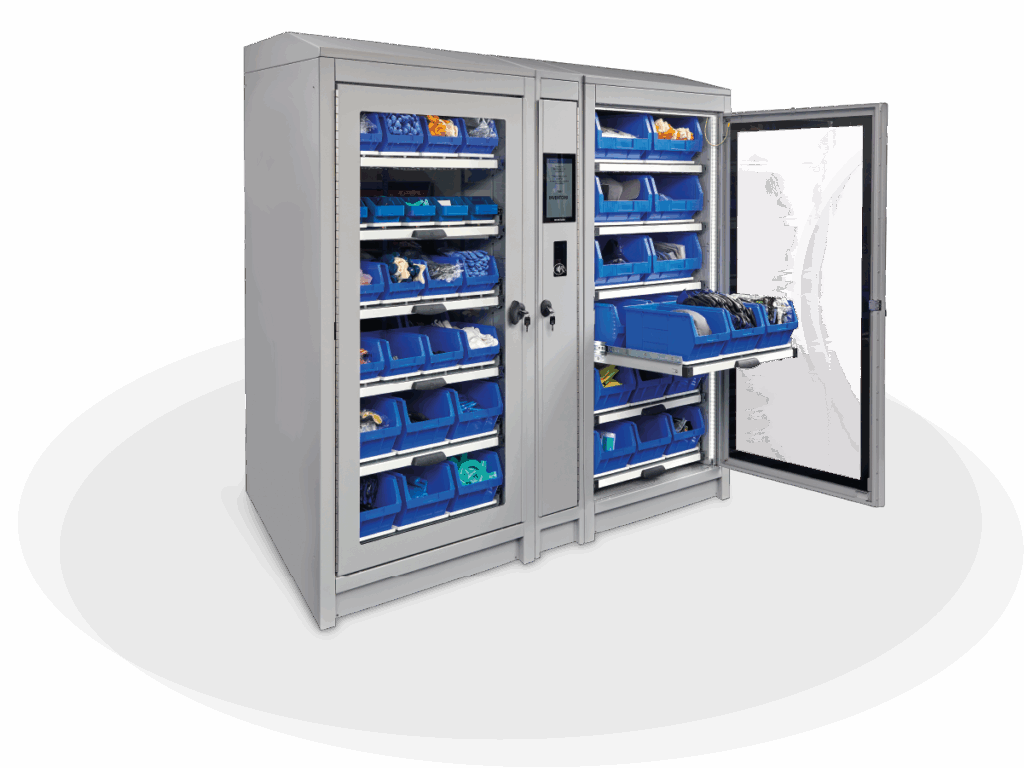
Ask whether access is controlled digitally — role-based permissions applied at the point of use — or relies on shared keys, sign-out sheets, or trust. A good answer names specific mechanisms, such as permissions tied to individual users and roles, rather than a general assurance that “access is monitored.”
2. Who can access the software managing it, and how?
This is often the bigger blind spot. Ask about login security for the platform itself, not just the hardware. Does it support single sign-on through your existing identity provider (an OAuth-based integration with Microsoft, Google, or similar) or does it rely on a standalone username and password specific to that one system? A vendor relying solely on the latter is asking your organisation to maintain a second, weaker set of credentials outside your normal security policy.
3. Can you produce a full audit trail on demand, or does it need reconstructing?
Ask for a concrete example of what an audit trail actually looks like: does it show who accessed a specific item, when, and how often, going back a meaningful period? If the honest answer involves reconstructing events from memory or paper logs, that’s a real gap worth pricing into your decision, not a minor inconvenience.
4. How is data secured in transit and at rest?
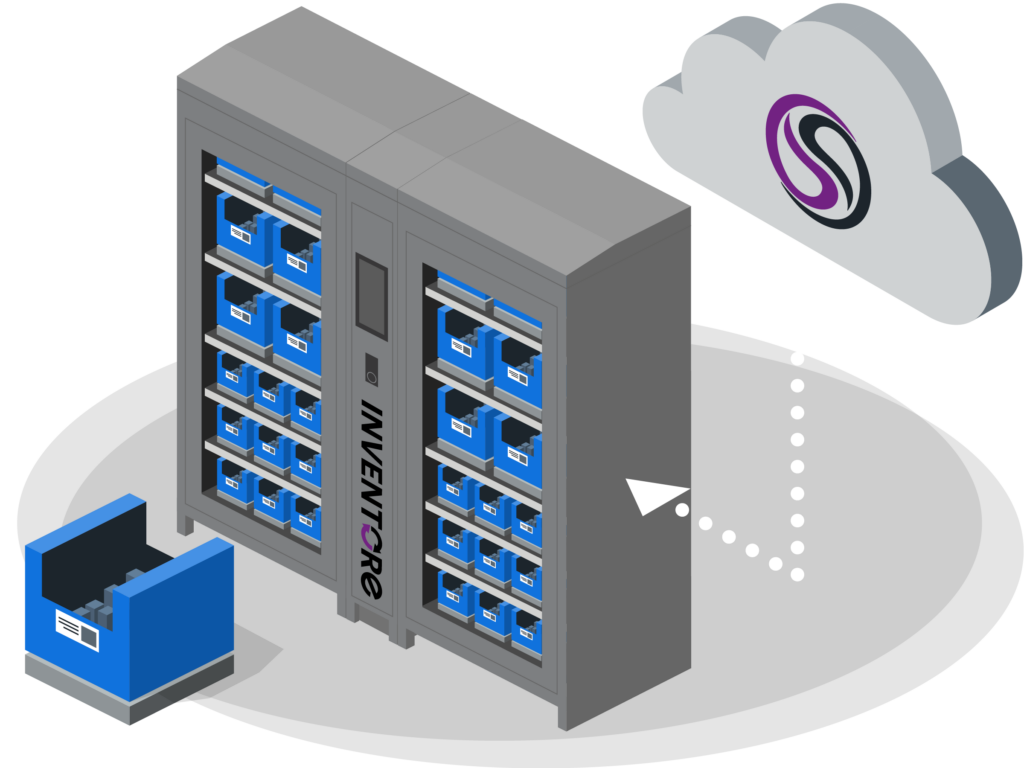
You don’t need a full technical breakdown, but a credible vendor should be able to describe, in plain terms, how data moves between devices and the cloud, and confirm it isn’t sent or stored in a way that could be intercepted or tampered with.
5. Has the vendor been independently tested or certified?
Ask specifically about recognised UK certifications such as Cyber Essentials, and whether the vendor carries out regular independent penetration testing. A vendor who can point to both is demonstrating ongoing assurance, not a one-off claim made once and never revisited.
6. How are integrations with your other systems secured?
If the system will connect to your ERP, procurement, or reporting platforms, ask how those connections are authenticated and controlled. Integrations are often where security gets treated as an afterthought, since attention tends to focus on the core product rather than what it connects to.
How do we at iNVENTORe answer these questions?
Our solutions have been built to ensure we can answer each of these questions directly and clearly at any time. From role-based access control at the point of use and OAuth-based sign-in to Sourcerer through your existing identity provider to Cyber Essentials certification and annual penetration testing. If you’d like to learn more about our approach, contact us and we’d be happy to walk you through it.
Frequently Asked Questions
How real is the cyber attack risk for a business like mine?
It is certainly something that should be taken seriously. In the UK alone in 2025/2026, 43% of businesses (an estimated 612,000) identified a cyber security breach or attack in the past 12 months.
Why does supplier security matter?
Their risk becomes your risk the moment you grant a supplier access to your data, your network, or your premises. If their platform is compromised, that exposure lands on you, not them. Despite this, only 15% of UK businesses formally review their immediate suppliers’ cyber security, so asking the six questions above puts you ahead of most of your peers, not just covering a theoretical risk.
Is security a fair criterion to weigh alongside cost and functionality?
Yes, arguably more so for inventory systems than most software categories, since they often control physical access to PPE, regulated items, or high-value stock, not just data.
What’s the biggest red flag in a vendor’s answer to these questions?
Vague reassurance in place of specifics. “We take security seriously” isn’t an answer to “how is data secured in transit”. A vendor who can’t or won’t get specific on any of these six questions is worth treating with caution.
Do smaller organisations need to ask these questions too?
Yes. Scale changes the consequences of a gap, not whether the gap exists. A single-site operation with a handful of users still has stock, still has leavers, and still needs an audit trail if something is ever questioned.