In a nutshell, digital transformation in social housing means using technology and data to modernise how housing providers work. It improves efficiency, tenant engagement and service delivery, all while tackling old systems, communication gaps and sustainability goals.
Navigating the Social Housing Landscape
The social housing sector in the UK is navigating a complex and evolving landscape. While housing shortages and financial constraints persist, housing providers are increasingly embracing innovation, technology, and collaborative approaches to address these challenges.
The sector is focused on four things: empowering tenants, going digital, improving sustainability, and engaging communities. Together, these create better, more affordable housing across the UK.
Done well, digital transformation can reshape social housing, boosting efficiency, improving tenant experiences, and building more sustainable communities.

The Role and Impact of Automating Social Housing Processes
Digital transformation means using new tools and technology to improve how housing providers work. That includes digital platforms and data-driven approaches that make processes faster, communication clearer, and services better for tenants.
The scope of digital transformation within social housing is broad and encompasses various aspects of housing operations and services.
Seven key areas where digital transformation can make a significant impact
Tenant Engagement and Service Delivery
Tenants want more control over how they interact with their housing provider. Online portals and mobile apps make that possible — letting them check information, submit maintenance requests, pay rent, and message their provider, all in one place.
This makes life easier for tenants. They can manage things on their own schedule, and get the information they need straight away.
Data-driven Decision Making
Good decisions start with good data. Analytics tools give housing providers real insight into tenant needs and preferences, helping them spot trends, allocate resources better, and plan ahead with confidence.
Communication and Collaboration
Clear communication keeps everyone (providers, tenants, supply chains and stakeholders) on the same page. Mobile apps, RFID technology, social media and online communities all help, making it easier to engage, share information and gather feedback.
These tools also matter in emergencies, when fast, clear updates are critical. And they give tenants a real voice, creating new ways for them to take part in decisions that affect them.
Sustainability and Energy Efficiency
Energy use is a growing priority for housing providers and tenants alike. Smart home systems and energy monitors let tenants track and reduce their own usage, cutting bills and environmental impact at the same time.
Renewable energy, smart grids and energy management platforms also help providers go further, lowering carbon footprints and tackling fuel poverty across their housing stock.
RFID tagging adds another layer of insight here too, helping providers track the real-world lifespan and cost of materials and components over time.
Administrative Processes and Efficiency
Paperwork slows everyone down. Integrated property management systems take care of lease management, rent collection, financial reporting and compliance tracking automatically. This frees up staff time for the work that actually needs a human touch.
Accurate stock control matters here too, especially for field-based repairs teams, where having the right materials and data on hand directly affects how efficiently jobs get done.
Compliance and Reporting
Staying compliant shouldn’t mean drowning in admin. Digital systems track regulatory requirements automatically, helping providers stay on top of standards and reduce compliance risk.
Automated reporting tools take this further, generating clear reports that improve transparency and accountability. Asset tracking tools like RFID tagging add even more value, capturing detailed data for trend analysis at a granular level.
Asset Management and Maintenance
Knowing the condition of every property, product and piece of equipment used to mean manual checks and guesswork. IoT devices, RFID tags and real-time sensors change that, tracking maintenance needs, energy use and potential issues as they happen.
This data helps providers act before small problems become big ones. It also supports first-time fix targets, and makes it easy to track warranty periods, inspection schedules and product life cycles — all from data that’s accurate and easy to collect.
Overcoming Implementation Challenges
Housing associations are increasingly turning to technology to improve how they work. This isn’t just a trend. It’s becoming essential for efficiency, tenant experience and sustainable resource management.
While digital transformation offers significant benefits to the social housing sector, implementing digital initiatives can present challenges. Overcoming these challenges requires careful planning, collaboration, and proactive strategies. Below are some of the key implementation challenges and recommendations for addressing them.
Limited Resources and Funding
Challenge: Limited financial resources can hinder the implementation of digital transformation initiatives in social housing.
Recommendations:
- Seek external funding opportunities. Explore grants, subsidies, or partnerships with government agencies, private organisations within your supply chain for example, or foundations that support digital transformation in social housing.
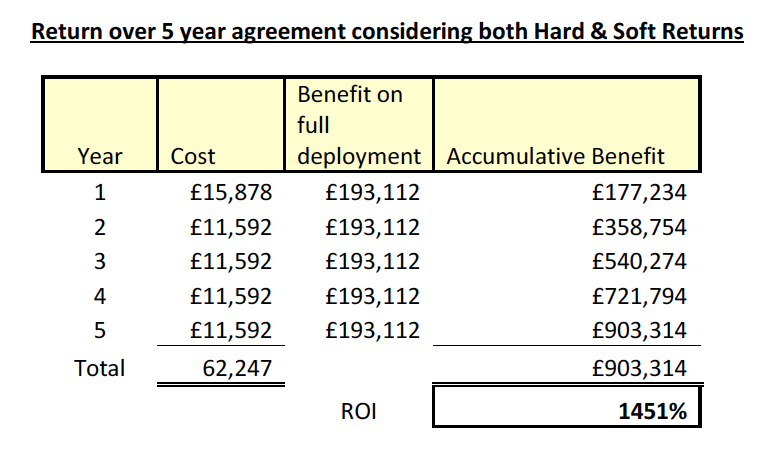
- Develop a business case. Clearly articulate the potential benefits, return on investment, and long-term cost savings of digital initiatives to secure internal funding or attract external support.
Organisational Culture and Change Management
Challenge: Resistance to change and a lack of digital culture within the organisation can impede the successful implementation of digital transformation.
Recommendations:
- Create a digital-first culture. Foster a culture of innovation and continuous learning by promoting the benefits of digital transformation, providing training and resources, and encouraging staff engagement and participation.
- Communicate the vision. Clearly communicate the rationale, goals, and benefits of digital transformation initiatives to all stakeholders, emphasising how it aligns with the organisation’s mission and enhances service delivery.
Data Privacy and Security
Challenge: Data privacy and security concerns can hinder the adoption of digital technologies and platforms in social housing.
Recommendations:
- Ensure robust data protection policies are in place. Develop and implement comprehensive data protection policies and procedures to ensure compliance with relevant regulations and protect tenant and staff data.
- Implement robust cybersecurity measures. Ensure you have secure infrastructure, encryption, and access controls to protect sensitive data and minimise the risk of data breaches.
Digital Skills and Capacity Building
Challenge: Limited digital skills and knowledge among staff can hinder the successful implementation and adoption of digital transformation initiatives.
Recommendations:
- Provide training and support. Offer training programs, workshops, and resources to upskill staff members and equip them with the necessary digital competencies.
- Foster cross-functional collaboration. Encourage collaboration and knowledge-sharing between staff members with diverse skill sets to leverage their expertise in implementing digital initiatives.
Tenant Engagement and Adoption
Challenge: Encouraging tenant adoption and engagement with digital platforms and services can be a challenge, particularly among individuals with limited digital literacy or access to technology.
Recommendations:
- Provide digital literacy support. Offer training programs or workshops to help tenants build digital skills and familiarise themselves with digital tools and platforms.
- Ensure accessibility and inclusivity. Design digital platforms and services with accessibility features and user-friendly interfaces to accommodate a diverse range of tenants, including those with disabilities or limited digital literacy.
Integration and Interoperability
Challenge: Integrating existing systems and ensuring interoperability between different digital solutions can be complex.
Recommendations:
- Conduct a thorough system analysis. Assess existing systems, identify integration requirements, and determine the compatibility and interoperability of digital solutions.
- Collaborate with technology partners. Engage with technology vendors and consultants who specialise in social housing to leverage their expertise in system integration and ensure seamless interoperability.
By addressing these implementation challenges through proactive strategies and a well-defined roadmap, housing providers can successfully navigate the digital transformation journey in the social housing sector.
Embracing digital technologies, building internal capacity, and engaging stakeholders will ultimately lead to improved service delivery, enhanced tenant experiences, and long-term benefits for the social housing community.

New Developments for Old Challenges
While significant progress has been made in recent years on digital transformation within the social housing sector, the need to adopt new strategies and embrace new technologies remains ongoing, and a number of long-standing areas requiring change remain elusive. To take a look at 2 of these:
Inventory Management and Delivering Effective Van Stocks
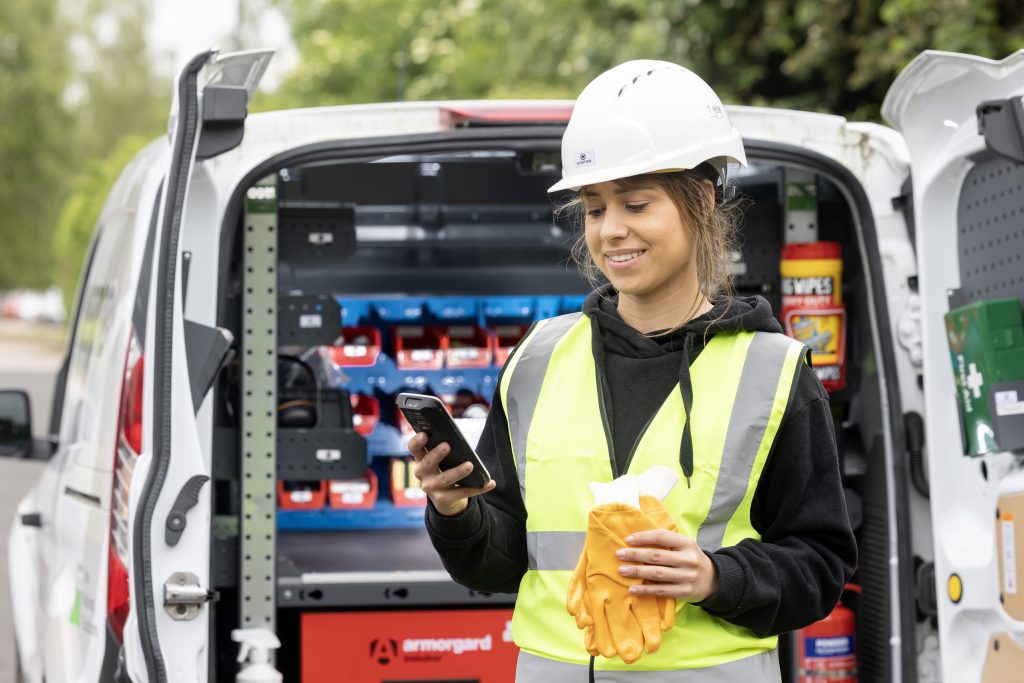
Van stock refers to the inventory of essential supplies, tools, and equipment carried in service vans by field technicians to perform maintenance and repair tasks in social housing properties. Van stock plays a crucial role in ensuring prompt and efficient repairs, minimising downtime, and improving tenant satisfaction.
A well-managed van stock cuts the need for pre-inspections and unscheduled supplier trips. It reduces CO2 emissions from unnecessary journeys, and cuts disruption for tenants from delayed repairs. Key benefits:
- Prompt Repairs: Technicians can access the tools, supplies and equipment they need without delay, cutting response times and reducing inconvenience for tenants.
- Minimised Downtime: Well-stocked vans mean technicians can complete repairs on the first visit, rather than booking a return trip. Less downtime for tenants, better satisfaction overall.
- Increased Efficiency: Carrying commonly used items means fewer trips back to the warehouse or supplier — so technicians complete more jobs per day. This saves time, cuts travel and salary costs, and reduces CO2 emissions.
- Materials Cost Savings: Housing providers can take advantage of bulk purchasing and better supplier deals, while avoiding the higher costs that come with emergency or rush orders.
- Improved First-Time Fix Rate: Having the right materials on hand the first time means fewer follow-up visits and better overall operational efficiency.
- Flexibility and Adaptability: A well-stocked van lets technicians respond to a wide range of issues, handling common repairs and unexpected problems without batting an eye.
- Enhanced Customer Service: Arriving prepared and resolving issues promptly shapes how tenants see the service they receive. Satisfied tenants are more likely to report positive experiences and recommend the provider to others.
- Streamlined Inventory Management: Regular monitoring and restocking naturally leads to better inventory practices like tracking stock levels, spotting usage patterns, and reducing waste.
- Other Benefits: Fewer miles driven to collect materials means lower CO2 emissions. Better data also means better job costing, more accurate accounting for consumables, and stronger business planning overall.
The right digital management system makes life easier for central planners too:
- It matches jobs to the right Operative based on their stock and trade
- It lets Operatives search for parts in other vehicles or the central store
- Nobody’s stuck waiting on a delivery that’s already nearby
Housing providers also get real-time visibility of stock value in the field. That means remote audits are easier, and risk or exposure data is always close at hand. It even helps flag vehicles carrying excessive stock. All this means you can catch overweight vans before they become a problem.
By leveraging the benefits of van stock in social housing repairs, housing providers can streamline their maintenance operations, improve tenant satisfaction, and achieve cost savings. It enables technicians to efficiently handle repairs on the spot, minimising disruptions and ensuring the timely resolution of maintenance issues.
Asset Management Data, Life Cycle, Servicing and Warranty Management
In social housing, the term asset management is used in relation to the housing stock itself. However, an asset can be anything from the whole home itself, through to the individual parts and components within it. This also includes the tools & equipment used in its construction and maintenance. The management of an asset will differ according to its asset type, as will the data being recorded against it.
Housing providers have traditionally focused on managing data at the home level. Tracking individual parts and components in more detail has been harder, often requiring manual processes.
Other industries have embraced mobile app technology widely, but social housing has been slower to catch up. The right app gives teams convenience, real-time information, and a much stronger handle on tracking and managing assets. Some key advantages include:
Improved Asset Tracking
GPS, barcode scanning and RFID let teams locate and identify any asset instantly, capturing detailed data on the spot, including:
- Asset name and ID
- Manufacturer, installer and supplier
- Purchase and installation dates
- Warranty dates
- Inspection and servicing dates
- Photos and notes (e.g. damage)
- Location, condition and age
GPS reduces the risk of loss or misplacement, and RFID scanning brings up everything above in seconds — plus other configurable data specific to that asset type. It also means warranty periods get used properly, rather than items being replaced unnecessarily while still covered.
Enhanced Data Accuracy
Recording maintenance activity and updating asset status directly through the app removes manual entry errors, so the data on file is always current and reliable.
Efficient Maintenance and Repairs
Technicians get instant access to asset history, work orders and repair records — updating jobs and submitting requests without the paperwork.
Remote Asset Monitoring
IoT-enabled devices send real-time alerts on performance and maintenance needs, so issues get flagged and fixed before they become bigger problems.
Workflow Automation
Maintenance reminders, work order generation and approval processes can all run automatically, cutting manual steps out of day-to-day asset management.
Data Analytics and Reporting
Built-in analytics reveal patterns in asset performance, usage and cost, giving teams the insight they need to make smarter decisions.
Enhanced Collaboration and Communication
Shared updates, statuses and in-app messaging keep everyone involved in asset management on the same page, with faster responses when issues arise.
Integration with Other Systems
Connecting with ERP and procurement systems keeps data consistent and accurate across every platform you use.
By using mobile apps for asset management, organisations can optimise asset utilisation, streamline maintenance processes, improve data accuracy, and enhance overall operational efficiency. It empowers users with real-time information, enables proactive decision-making, and contributes to cost savings and improved asset performance.
Digital Transformation is not an Option, it’s a Necessity
Digital transformation is no longer optional for the social housing sector, it’s essential. It drives efficiency, improves tenant experiences, and helps providers make better decisions with data.
The digital transformation in housing associations has proven to be a pivotal development in the social housing sector. By embracing digital transformation, the social housing sector can navigate its challenges and unlock new opportunities for efficiency, empowerment, and enhanced service delivery.
With careful planning, collaboration, and a commitment to innovation, housing providers can embark on their digital transformation journey and create lasting positive impacts on their organisations and the communities they serve. The future of social housing is undeniably digital, and those who adapt will be well-positioned to thrive in this new era.
Ready to Modernise Your Social Housing Operations?
iNVENTORe has been designing and deploying point-of-use inventory and asset management solutions since 2001, with patents in some of the most innovative technology in the sector. From tracking individual assets to managing van stock across a whole repairs fleet, our solutions are scalable, fast to implement, and built for the real-world pressures housing providers face every day.