Inventory health comes down to a handful of key numbers: turnover rate, carrying cost, stockout rate, lead time, dead stock percentage, GMROI, order accuracy, holding days, and shrinkage rate. Track these nine metrics and you’ll know exactly where your inventory is working well, and where it’s costing you money.
Here’s what each one means, and why it’s worth tracking.
Inventory Turnover Rate
Inventory turnover rate is one of the most fundamental inventory management metrics. It measures how quickly a company’s inventory is sold and replaced over a specific period. The formula is simple: Divide the cost of goods sold (COGS) by the average inventory value.
Why it matters: A high turnover rate usually means your inventory is being managed well. A low rate can signal overstocking or stagnant stock — leading to higher carrying costs and tied-up capital.
Carrying Cost of Inventory
The carrying cost of inventory represents the expenses associated with holding and storing inventory, including storage, insurance, and more.
Why it matters: Tracking carrying costs shows you the real financial impact of holding stock — and where you can cut costs and free up capital for other parts of the business.
Stockout Rate
Stockout occurs when a business runs out of product before being able to replenish it.
Why it matters: Tracking the stockout rate is critical to assess the impact of inventory shortages on customer satisfaction and sales. Implementing robust stock control methods is essential for reducing the stockout rate. This ensures customer demand is consistently met and no revenue opportunities are missed.
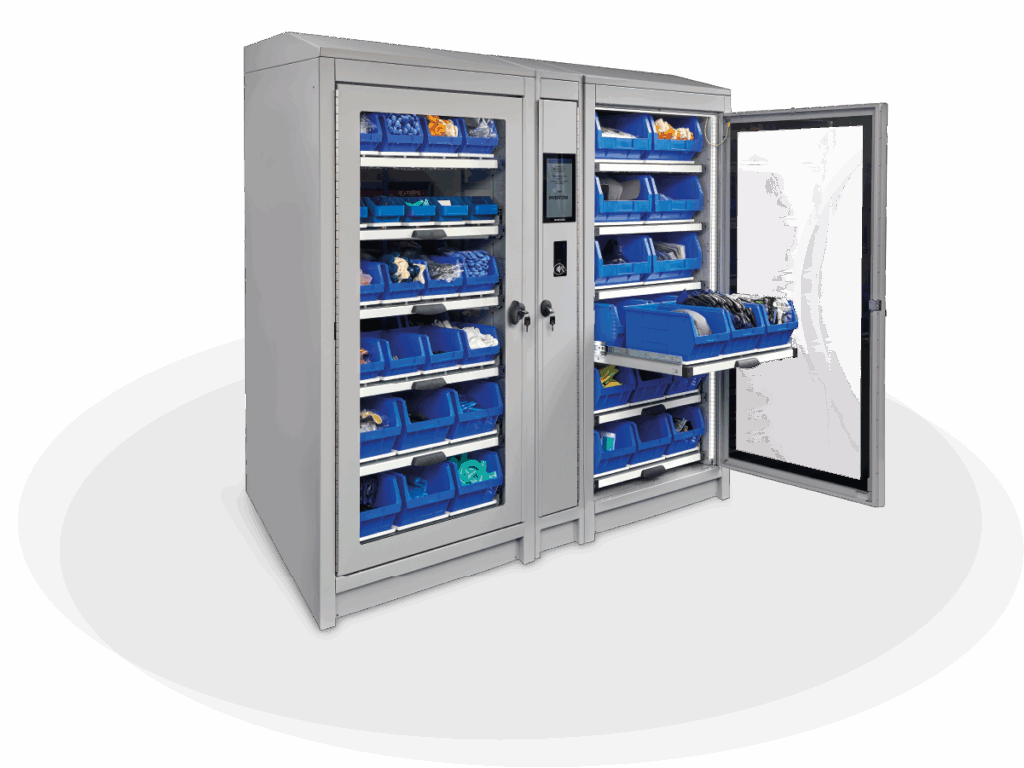
iNVENTORe’s iBinScale tackles this directly using automated, scale-based monitoring to flag low stock before it becomes a problem, so customer demand is always met.
Lead Time
Lead time is the time it takes from placing an order with a supplier to when the inventory is received and available for being used or sold.
Why it matters: Shorter lead times mean leaner stock levels, lower carrying costs, and faster response to customer demand.
Dead Stock Percentage
Dead stock is inventory that’s sat unsold or unused for too long,often because it’s gone obsolete or simply isn’t needed anymore.
Why it matters: Tracking your dead stock percentage helps you spot slow-moving items early, so you can discount or discontinue them before they tie up valuable storage space and working capital.
Gross Margin Return on Investment (GMROI)
GMROI (Gross Margin Return on Investment) measures the profitability of your inventory by comparing gross margin to average inventory cost.
Why it matters: The higher your GMROI, the better return your stock investment is generating, a clear sign you’re making smart, strategic inventory decisions that boost your bottom line.
Order Accuracy
Order accuracy measures how often the correct items and quantities are shipped to customers.
Why it matters: High order accuracy means happier customers and fewer returns which keeps operational costs down and protects your reputation.
Holding Days
Holding days represent the average number of days inventory sits in stock before it’s sold or used.
Why it matters: Fewer holding days means better cash flow, lower carrying costs, and more working capital freed up for the rest of your business.
Shrinkage Rate
Shrinkage rate reflects the amount of inventory that’s lost, stolen, damaged, or otherwise unaccounted for.
Why it matters: Monitoring shrinkage helps you keep your inventory records accurate, protect your bottom line, and run a more secure, efficient supply chain.
Turning Metrics Into Action
These aren’t just numbers. They’re a direct read on your business’s health and a guide to smarter, more profitable inventory decisions, whatever size your business is.
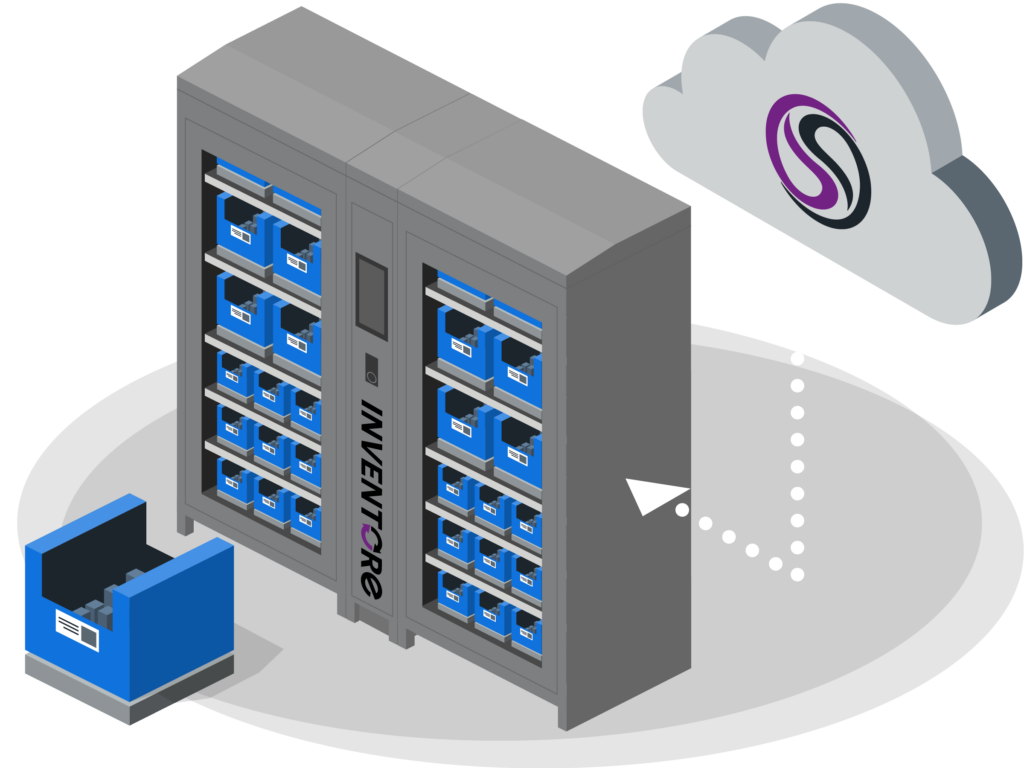
The right software makes tracking these metrics simple, turning raw data into clear, actionable insight. With iNVENTORe’s inventory management systems, you get optimised stock levels, lower costs, and happier customers, without the manual legwork.

Ready to Put These Metrics to Work?
iNVENTORe has been designing and deploying point-of-use inventory management solutions since 2001, with patents in some of the most innovative technology in the sector. From automated stock monitoring to real-time reporting on the exact metrics covered above, our solutions are scalable, fast to implement, and built to turn your data into real, measurable results.